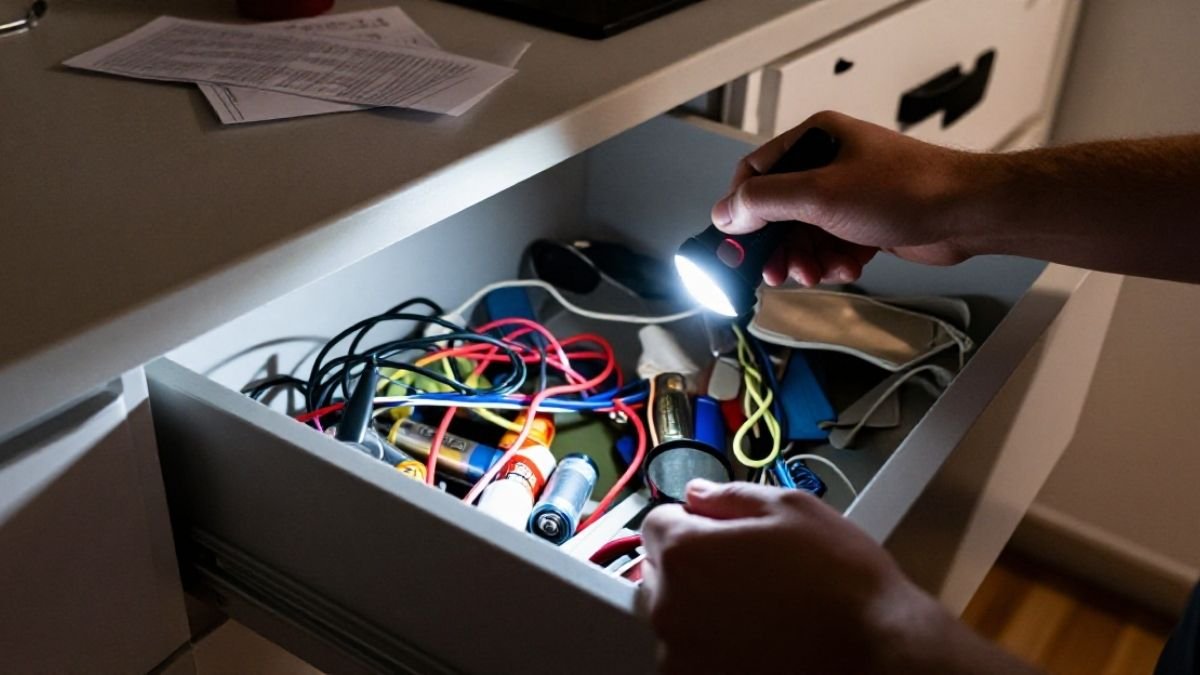
When you hear “winter storm warning” on the news, do you scramble to remember where the flashlights are? Or worse—do you realize you never actually bought batteries?
You’re not alone. Recent winter storm warnings across six states and widespread power outages have left thousands of families sitting in the dark, quite literally, wishing they’d prepared just a little better. The truth is, most of us treat power outages like they won’t happen to us—until the lights flicker, the heat stops, and we’re left rummaging through junk drawers by candlelight.
Here’s the good news: you can prepare your home for the next winter storm in less time than it takes to watch a Netflix episode. This isn’t about building a doomsday bunker. It’s about having a realistic, printable checklist that actually works when the power goes out at 2 a.m.
What winter storm warnings actually mean (and why you should listen)
Not all weather alerts are created equal. A winter storm watch means conditions are possible in the next 48 hours. A winter storm warning means it’s happening—usually within 24 hours—and you need to act now.
The National Weather Service issues these warnings when heavy snow, ice, or blizzard conditions are expected to create dangerous travel and potentially knock out power. Translation: this is your last chance to grab supplies before roads become impassable and store shelves empty out.
If you see “ice storm warning,” take it even more seriously. Ice accumulation is notorious for snapping power lines and tree branches, leading to outages that can last days, not hours.

Your realistic power-outage checklist (no panic required)
Forget the 47-item survival guides. Here’s what actually matters when the grid goes down.
Water: Fill bathtubs and large containers before the storm hits. Aim for one gallon per person per day for at least three days. If your water comes from a well with an electric pump, this is non-negotiable.
Light: LED lanterns beat candles for safety and longevity. Keep at least two per household, plus a headlamp so your hands stay free. Store fresh batteries in a labeled bin—not scattered in five different drawers.
Warmth: Layer clothing before you layer blankets. Close off unused rooms and hang heavy blankets over doorways to trap heat. If you have a fireplace, stock dry wood now, not when the storm arrives. Never use gas stoves or outdoor grills indoors for heat—carbon monoxide poisoning kills fast and silently.
Food: Focus on no-cook, high-calorie options like peanut butter, granola bars, canned soup (yes, you can eat it cold), and dried fruit. A manual can opener is worth its weight in gold when you’re hungry and powerless.
Medications: Keep a seven-day supply of prescriptions in a clearly labeled bag. Include a written list of drug names, dosages, and prescribing doctors. Power outages disrupt pharmacies too.
Communication: Charge all devices before the storm. Keep at least one portable battery pack fully charged—test it monthly. A battery-powered or hand-crank radio lets you receive emergency updates when cell towers fail.
Special considerations for older adults and people with medical needs
If you or a family member uses electrically powered medical equipment—CPAP machines, oxygen concentrators, electric wheelchairs—this section could save a life.
Backup power for medical devices: Contact your equipment supplier about battery packs or generators specifically rated for medical use. Notify your electric company that you have critical medical equipment; some utilities prioritize restoring power to these addresses.
Mobility needs: Keep a charged cell phone within arm’s reach at all times. Falls happen more frequently during outages when lighting is poor. Consider glow-in-the-dark tape on stair edges and hallway corners.
Temperature regulation: Older adults are more vulnerable to hypothermia. Even if the house feels “fine” to younger family members, seniors may need extra layers, a sleeping bag, or relocation to a warmer room.
Emergency contacts: Print a laminated card with phone numbers for doctors, neighbors, and out-of-state relatives (local lines may be jammed). Tape it to the refrigerator and keep a copy in your wallet.

How to store documents and emergency contacts where family can find them
A waterproof, fireproof document bag should live in an obvious location—not hidden in a basement that floods or an attic no one can access.
Inside, keep copies (not originals unless necessary) of insurance policies, medical records, prescriptions, bank account info, and emergency contacts. Label the bag clearly: “EMERGENCY DOCUMENTS—CHECK HERE FIRST.”
Tell at least two trusted people where this bag lives. Take a photo of the contents on your phone and email it to yourself so you have digital backup.
Your 10-minute prep plan you can do today
Set a timer. You don’t need a full afternoon.
Minute 1-3: Gather all flashlights and check batteries. Replace dead ones immediately.
Minute 4-5: Fill two large pots or pitchers with water and place them in the fridge. (You’ve just started your water supply.)
Minute 6-7: Locate your medications and write down the names and dosages on a sticky note. Put it in your wallet.
Minute 8-9: Charge all devices and find your portable battery packs. Plug them in now.
Minute 10: Walk through your home and identify the warmest room (usually interior, away from windows). That’s your “safe room” if heat fails.
Done. You’re already more prepared than 80% of your neighbors.
Winter storm warnings don’t have to mean chaos. With a simple checklist and ten focused minutes, you can transform anxiety into action—and make sure the next blackout is an inconvenience, not a catastrophe. The power might go out, but your peace of mind doesn’t have to.