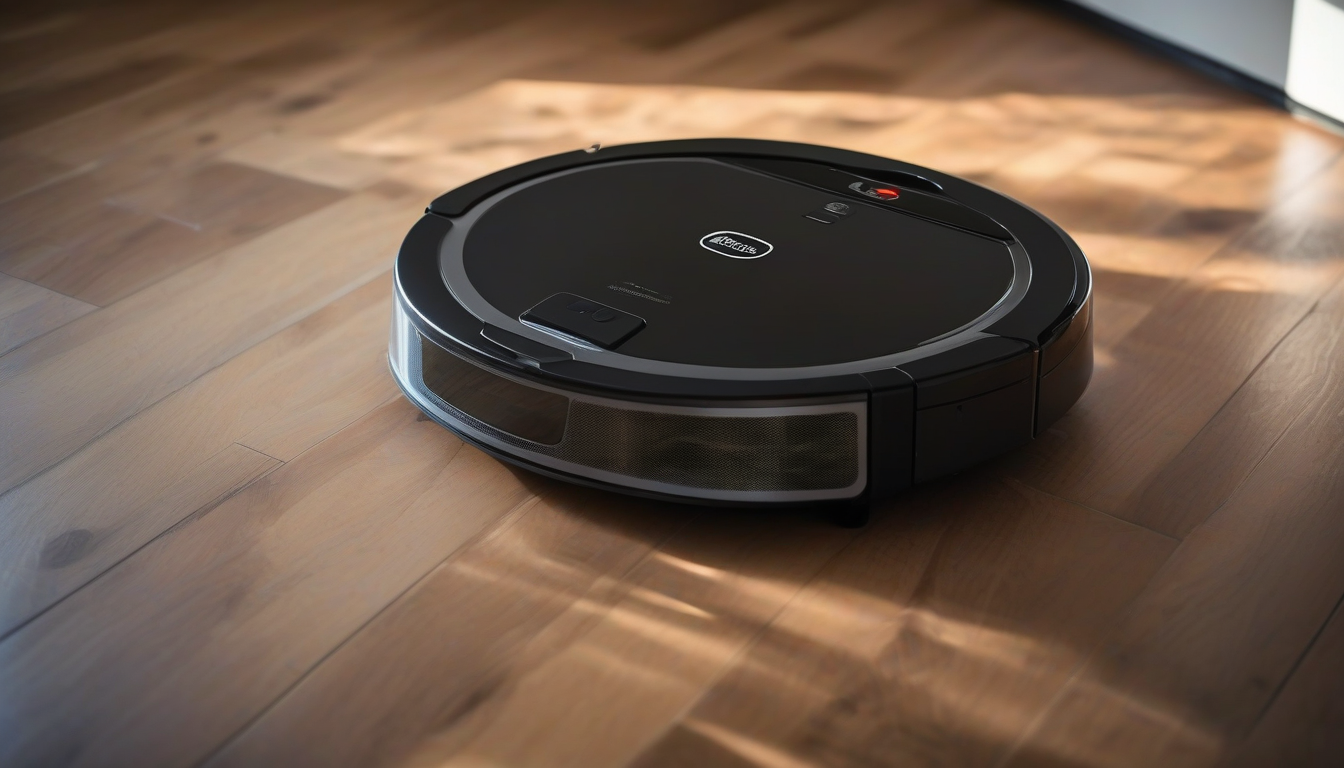
You spent hundreds of dollars on a robot vacuum that works perfectly. The motors hum, the sensors detect obstacles, the battery holds a charge. Yet one morning, you open the app and discover half its features are gone. No software update. No warning. The hardware is fine, but the device is crippled.
This isn’t a hypothetical nightmare. It’s happening right now to thousands of smart home owners across the United States, and your robot vacuum could be next.
The cloud dependency trap
Modern robot vacuums aren’t just hardware. They’re software ecosystems tethered to remote servers owned by the manufacturer. When you buy a Roomba, Roborock, or Eufy, you’re not just buying a machine. You’re buying access to cloud services that power features like:
- Room mapping and no-go zones
- Scheduling from your phone
- Voice assistant integration
- Firmware updates
- Multi-floor memory
- Cleaning history and statistics
The vacuum itself contains sensors and processors, but the “brain” that makes it smart often lives partly in the cloud. When that cloud connection disappears, the device doesn’t break, it just becomes dumber.

How a working vacuum becomes useless overnight
There are three common scenarios that can brick your robot vacuum without touching its hardware:
Server shutdown: The company decides cloud services are too expensive to maintain. They flip a switch, and suddenly your app can’t communicate with your vacuum. This happened to owners of Neato vacuums in 2024 when the parent company announced end-of-life for cloud services.
App abandonment: The manufacturer stops updating the mobile app. As iOS and Android evolve, the app becomes incompatible with new phone operating systems. You can’t control your vacuum anymore, even though it sits fully charged in your closet.
Company collapse: The startup that made your vacuum goes bankrupt or gets acquired. The new owner has no interest in maintaining legacy cloud infrastructure. Your device becomes an orphan.
In December 2025, this risk feels more real than ever. Multiple smart home companies have announced service discontinuations, and consumers are waking up to the fragility of cloud-dependent devices.
What still works when the cloud dies
Here’s the silver lining: most robot vacuums retain basic functionality even after losing cloud access.
You can typically still:
- Press the physical “Clean” button on the device
- Use basic cleaning modes via onboard buttons
- Charge the vacuum normally
- Empty the dustbin
What you lose:
- App control and scheduling
- Room-specific cleaning
- Virtual boundaries and no-go zones
- Integration with Alexa, Google Assistant, or HomeKit
- Cleaning reports and maps
- Firmware updates that improve performance
Essentially, your $800 smart vacuum becomes a $200 dumb vacuum. It still cleans, but you lose the convenience you paid for.

Real examples from 2024 and 2025
Neato Robotics, once a major player in the robot vacuum market, announced in 2024 that cloud services would be discontinued. Owners who paid premium prices suddenly faced devices with diminished capabilities.
Several smaller brands that relied on white-label Chinese hardware and proprietary apps have quietly disappeared, leaving customers with vacuums that can’t connect to anything.
Even major brands aren’t immune. When companies shift business models or discontinue product lines, older models get left behind. The vacuum that was cutting-edge in 2020 might lose support in 2025.
How to protect yourself before buying
If you’re shopping for a robot vacuum in December 2025, ask these questions:
Does it have local control options? Look for vacuums that work with Home Assistant, local APIs, or physical remote controls. Devices that can function entirely on your local network are safer.
What’s the company’s track record? Established brands like iRobot (Roomba) and Roborock have longer support histories. Startups and unknown brands carry higher risk.
Can you use it without an account? Some vacuums require account creation and cloud login just to function. Avoid these if possible.
Is there an open-source community? Devices that can be rooted or modified by enthusiasts (like some Roborock and Valetudo-compatible models) have longer lifespans because the community can build replacement software.
What does the warranty and support policy say? Read the fine print. Many companies explicitly state they can discontinue cloud services at any time without refund.

How to protect the vacuum you already own
If you already own a cloud-dependent robot vacuum, take these steps now:
Document your settings: Screenshot your maps, schedules, and no-go zones. If the app dies, you’ll at least have a reference.
Check for local control options: Search online for ways to control your specific model via local network or third-party integrations. Projects like Valetudo can liberate some models from cloud dependence.
Keep the app installed: Even if you upgrade your phone, keep a backup of the current app version. If the company pulls it from app stores, you’ll still have access.
Use it more manually: Don’t become completely dependent on app scheduling. Get comfortable with the physical buttons.
Monitor the company: Follow the manufacturer on social media and sign up for email updates. Early warning of service changes gives you time to adapt.
The bigger smart home problem
Robot vacuums are just the tip of the iceberg. Smart thermostats, security cameras, door locks, and lighting systems all face the same vulnerability. Any device that requires cloud services to function fully is a ticking time bomb.
As we move deeper into 2026 and beyond, consumers need to demand:
- Mandatory local control options
- Longer support commitments (5-10 years minimum)
- Open APIs that allow third-party control
- Refund policies if cloud services end prematurely
The smart home revolution promised convenience, but it delivered dependence. Your devices should outlast the companies that made them.

What to do right now
Don’t panic, but don’t ignore this risk either.
If you’re shopping for a robot vacuum this holiday season, prioritize models with strong local control and established brand support. If you already own one, take ten minutes today to explore backup control options.
The hardware in your closet might be perfect. But in the world of cloud-connected devices, perfect hardware isn’t enough. The real question is whether the software ecosystem will still be there when you need it.
Your robot vacuum shouldn’t have an expiration date. Make sure it doesn’t.