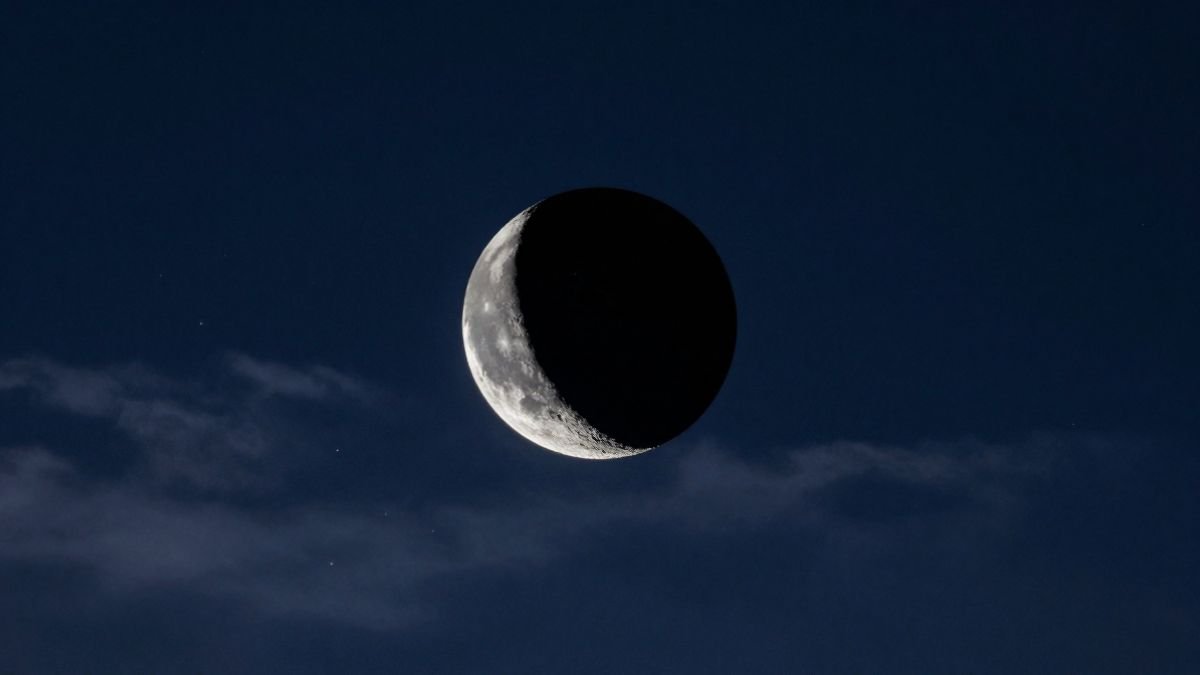
You’ve probably Googled “when does the new moon end” at 3 a.m., feeling restless, emotional, or just… off. Here’s the weird part: the New Moon doesn’t really “end” the way we think it does. It’s not a switch that flips. It’s a peak moment—a single instant when the Moon is perfectly aligned between Earth and the Sun—and what we call the “end” is actually the slow, gentle transition into the waxing crescent phase. That window? It’s different for everyone, depending on how sensitive you are to lunar cycles.
If you’ve been feeling strange energy around the New Moon and wondering when it finally lets up, you’re not alone. Let’s break down what’s actually happening, why people define the “end” in wildly different ways, and what you can do to work with the energy instead of fighting it.
What the New Moon actually is (and why ‘end’ is confusing)
Astronomically, the New Moon is a single moment in time—the exact second when the Moon sits between Earth and the Sun, invisible to us. In December 2025, that moment happens on a specific date and time, but the “feeling” of the New Moon? That lingers.
The confusion comes from the fact that most of us don’t experience lunar phases as precise timestamps. We feel them as windows of energy. Some astrologers and spiritual practitioners say the New Moon “window” lasts 24 hours. Others stretch it to three days. A few even say seven.
Here’s the truth: there’s no universal rule. The “end” depends on how attuned you are to lunar rhythms, your personal sensitivity, and what you’re trying to accomplish. The New Moon energy begins to shift the moment the Moon starts waxing—moving from total darkness toward the first sliver of crescent light.
That transition is subtle. You might not notice it on Day 1. But by Day 3, the energy is undeniably different.

The three most common New Moon windows (and who uses them)
The 24-hour window: This is the purist approach. If you’re working with precise astrological timing—say, for manifestation rituals or intention-setting—you’ll want to act within 24 hours of the exact New Moon moment. This is when the slate is cleanest, the energy most potent.
The 3-day window: This is the sweet spot for most people. It gives you breathing room. Day 1 is for rest and release. Day 2 is for planting seeds (intentions, goals, new habits). Day 3 is for gentle action. By the end of Day 3, the waxing crescent is visible, and the energy has shifted from introspective to forward-moving.
The 7-day window: Some practitioners extend the New Moon phase all the way to the first quarter (when the Moon is half-lit). This approach is less about the “end” and more about riding the entire waxing wave. It’s forgiving, flexible, and great if you’re juggling a busy life.
Which one is right? The one that matches your experience. If you stop feeling that heavy, introspective New Moon energy after 48 hours, honor that. If it lingers for a week, honor that too.
What to do on Day 1 vs Day 3 (a practical breakdown)
Day 1 (the exact New Moon):
- Rest. This is not the day to launch a new project or force productivity. The New Moon is a cosmic reset, and your body knows it. Sleep may be disrupted. Emotions may surface. Let them.
- Release. Write down what you’re ready to let go of—patterns, relationships, beliefs that no longer serve you. You don’t have to burn the paper or do anything dramatic. Just acknowledge it.
- Set intentions quietly. If you feel called to write down goals or desires, do it. But keep it simple. One to three intentions, maximum. The New Moon rewards clarity, not complexity.
Day 2:
- Reflect. Revisit your intentions. Do they still feel aligned? Adjust if needed.
- Nourish. Eat grounding foods. Drink water. Move your body gently. The energy is still tender.
Day 3 (waxing crescent emerges):
- Take one small action. This is when the energy shifts from “pause” to “play.” If you set an intention to start a creative project, open the document. If you want to improve your health, book the appointment. The action doesn’t have to be big—it just has to be real.
- Notice the shift. By Day 3, most people report feeling lighter, more optimistic, more ready to engage with the world. If you don’t feel it yet, give it another day or two.

If you’re sensitive: sleep, mood, and energy tips
Some people feel the New Moon intensely. If that’s you, here’s how to support yourself:
Sleep: The New Moon can disrupt circadian rhythms. You might wake up at odd hours or have vivid dreams. Combat this by keeping your bedroom cool and dark, avoiding screens an hour before bed, and trying magnesium supplements (consult a healthcare provider first).
Mood: Emotional vulnerability is common. You might feel weepy, irritable, or nostalgic. This isn’t weakness—it’s sensitivity. Journal, talk to a trusted friend, or simply let yourself feel without judgment.
Energy: Physical fatigue is real. Don’t schedule back-to-back meetings or intense workouts on New Moon day. If you can, block off an hour for solitude. Even a short walk outside can help you recalibrate.
Grounding practices: Bare feet on grass or soil. Breathing exercises (4 counts in, 6 counts out). A warm bath with Epsom salt. These aren’t woo-woo—they’re nervous system regulation tools that happen to align beautifully with lunar timing.
A gentle checklist for closing your New Moon intentions
By Day 3 or Day 7 (depending on your window), it’s time to close the New Moon chapter and step into the waxing phase. Here’s a simple checklist:
- Review your intentions. Did you write them down? Read them aloud once. Feel them in your body.
- Identify one anchor action. What’s the smallest, most concrete step you can take this week to honor your intention? Write it on your calendar.
- Release attachment to outcome. This is key. You’ve planted the seed. Now trust the process. The New Moon isn’t about forcing results—it’s about aligning with natural cycles.
- Celebrate the reset. Light a candle. Make your favorite tea. Acknowledge that you showed up for yourself during a potent, often uncomfortable time.
- Look ahead. The waxing crescent is a time of building momentum. What do you want to grow between now and the Full Moon (roughly two weeks away)? Let that question guide your next steps.

Why this matters (even if you’re not ‘into’ astrology)
You don’t have to believe in astrology to benefit from lunar awareness. The Moon governs tides, and humans are roughly 60% water. It’s not a stretch to think we’re affected by its cycles.
What the New Moon offers—whether you frame it spiritually or practically—is permission to pause. In a culture that glorifies constant productivity, the New Moon is a built-in reminder that rest, reflection, and release are not optional. They’re essential.
So the next time you Google “when does the New Moon end,” remember: it’s not about an exact timestamp. It’s about honoring the transition. The darkness doesn’t flip to light overnight. It builds, slowly, one sliver at a time. And so do you.
Your next step: Mark the next New Moon on your calendar (January 2026 will arrive before you know it). Block off one hour on that day—not for productivity, but for presence. See what shifts when you stop resisting the pause and start working with it.