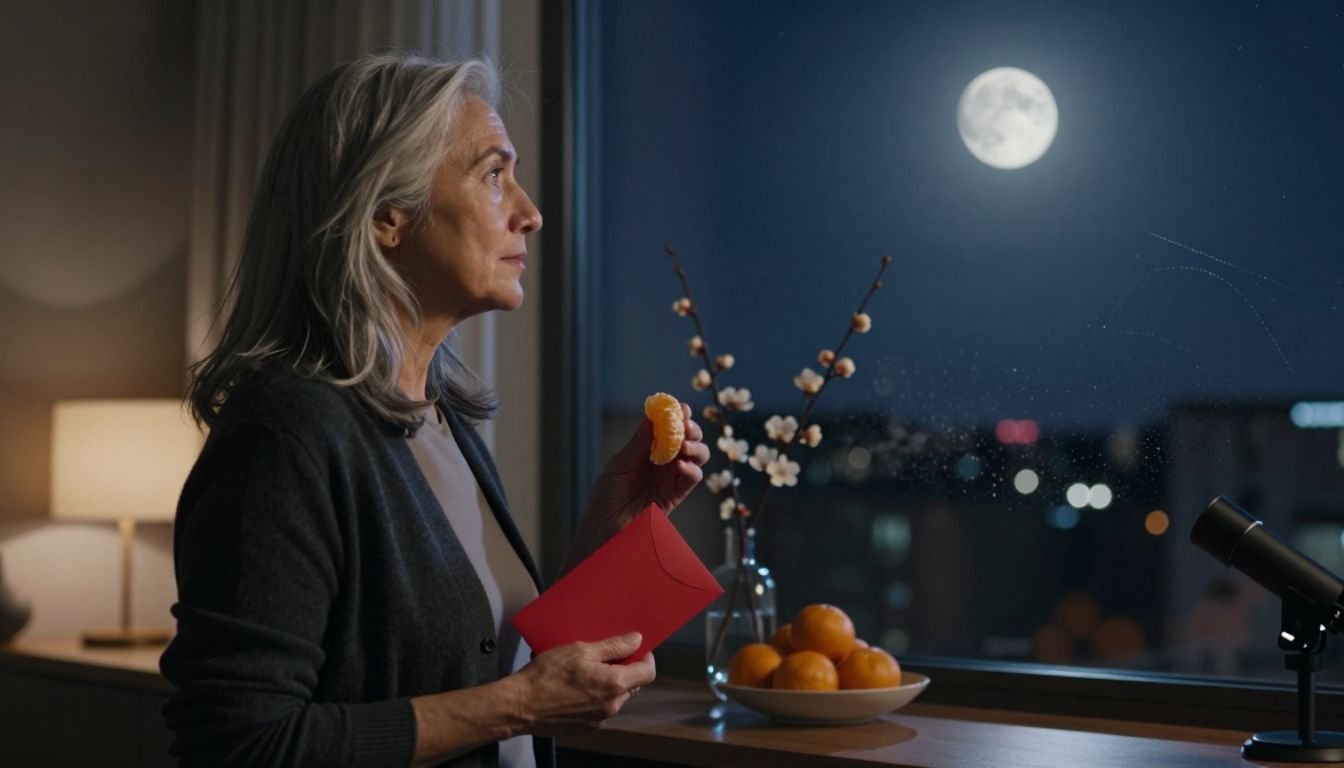
If your New Year’s resolutions fizzled out by mid-January, you’re not alone—and you’re about to get a second chance. Lunar New Year 2026 falls on February 17, and it offers something our Western calendar doesn’t: a culturally rich, ritual-backed opportunity to reset your life with intention.
While January 1st often feels like an arbitrary line in the sand, Lunar New Year is steeped in thousands of years of tradition centered on one idea: out with the old, in with the good fortune. For millions across Asia and in diaspora communities worldwide, it’s the most important holiday of the year—a time when families gather, debts are settled, homes are cleaned top to bottom, and everyone gets a genuine fresh start.
But here’s the thing: you don’t need to be Chinese, Korean, or Vietnamese to benefit from this approach. If you’re someone who craves structure, meaning, and a chance to course-correct before spring arrives, Lunar New Year can become your two-stage reset strategy—and it starts now.
What Lunar New Year actually represents
Lunar New Year (also called Spring Festival or Tet, depending on the culture) marks the first new moon of the lunar calendar. It’s not just a party. It’s a 15-day cycle of renewal that begins with deep preparation.
The philosophy is simple: what you do in the days leading up to the new year sets the tone for the twelve months ahead. That’s why families sweep out dust (literally and symbolically), pay off debts, mend broken relationships, and cook specific foods believed to attract wealth, health, and happiness.
In contrast, Western New Year’s resolutions tend to be solo, vague, and disconnected from ritual. Lunar New Year gives you a framework, a community mindset, and a finish line—the celebrations officially end on the fifteenth day with the Lantern Festival.
If you missed your January momentum or felt like your goals were hollow, this is your do-over.

The two-stage reset plan
Think of Lunar New Year prep as a two-phase system: clearing out what no longer serves you, then inviting in what does.
Stage 1: Declutter and close loops (now through early February)
Start by tackling three areas:
Physical clutter. Go room by room. Donate clothes you haven’t worn in a year. Clear out expired pantry items, old magazines, broken gadgets. The goal isn’t minimalism—it’s removing stagnation. In Lunar New Year tradition, sweeping and cleaning before the holiday symbolically sweeps away bad luck.
Relationship repair. Lunar New Year emphasizes reconciliation. If there’s a friendship that faded, a family member you’ve been avoiding, or an apology you owe, now is the time. Send a text. Make a call. You don’t need to force a reunion dinner—just close the loop with honesty and respect.
Money review. This doesn’t mean overhauling your entire budget. It means getting current. Pay off small debts if you can. Check your subscriptions. Review your credit card statements. In many Lunar New Year cultures, entering the new year with unpaid debts is considered bad luck—it’s a practical nudge to tidy up your finances.
By mid-February, you should feel lighter. That’s the point.
Stage 2: Invite in the new (the week before February 17)
Once you’ve cleared space, it’s time to set intentions with meaning.
Cook or eat symbolic foods. Dumplings (shaped like ancient gold ingots) represent wealth. Long noodles symbolize longevity. Fish (especially whole fish) means abundance. You don’t need to host a banquet—make one dish mindfully, or order takeout and learn what each item represents. The act of eating with intention is the ritual.
Decorate with red and gold. In Lunar New Year tradition, red wards off bad spirits and gold attracts prosperity. Hang a red paper lantern, buy fresh flowers, or place a small bowl of oranges (symbols of good luck) on your table. It’s not superstition—it’s environmental psychology. Your space should reflect the energy you want to cultivate.
Write down three wishes. Not resolutions—wishes. What do you want more of this year? Write them on red paper if you can find it. Keep them somewhere visible. In some traditions, wishes are burned or released with lanterns. You can adapt this however feels right.
Your prep calendar (starting now)
Here’s a week-by-week breakdown to make this manageable:
Week of December 30, 2025: Choose one room to declutter. Donate or trash anything that feels heavy or outdated.
Week of January 6, 2026: Review your finances. Pay off one small debt or cancel one unused subscription.
Week of January 13, 2026: Reach out to one person you’ve lost touch with or need to reconcile with. Keep it simple and sincere.
Week of January 20, 2026: Plan your Lunar New Year meal. Research symbolic foods. Make a grocery list or find a local restaurant.
Week of January 27, 2026: Deep clean your home. Focus on windows, floors, and entryways—the places energy enters and exits.
Week of February 3, 2026: Decorate. Add red, gold, or fresh flowers. Make your space feel celebratory.
Week of February 10, 2026: Write your three wishes. Reflect on what you’ve cleared and what you’re ready to welcome.
February 17, 2026 (Lunar New Year’s Day): Rest. Celebrate. Eat well. Wear something new if possible. Avoid cleaning or throwing anything away on this day—it’s considered bad luck to sweep away good fortune.

A word on cultural respect
If you’re not from a culture that traditionally celebrates Lunar New Year, you might wonder if it’s okay to participate. The answer is yes—with respect and humility.
This isn’t about costumes or performative posts. It’s about learning the meaning behind the practices, supporting Asian-owned businesses when you shop for supplies, and acknowledging the origins. Don’t call it “Chinese New Year” if you’re borrowing from Vietnamese or Korean traditions—use “Lunar New Year” as an inclusive term.
If you have friends or coworkers who celebrate, ask them about their family traditions. Listen. Learn. This is an opportunity for cultural exchange, not appropriation.
Why this works when January resolutions don’t
Lunar New Year succeeds where New Year’s resolutions fail because it’s concrete, communal, and cyclical.
You’re not just writing down a vague goal like “get healthier.” You’re cleaning your house, cooking specific foods, and marking time with rituals that have been proven to work for generations. You’re not doing it alone in your head—you’re part of a global tradition.
And because the celebration lasts 15 days, you’re not expecting instant transformation on day one. You’re easing into the new year with intention and grace.
If you’re reading this on December 27, 2025, you have seven weeks to prepare. That’s enough time to declutter your space, repair a relationship, review your money, and plan a meaningful celebration—without the pressure or burnout that comes with January’s all-or-nothing mentality.
Lunar New Year 2026 isn’t just closer than you think. It’s your second chance to start fresh—this time, with a plan that actually lasts.