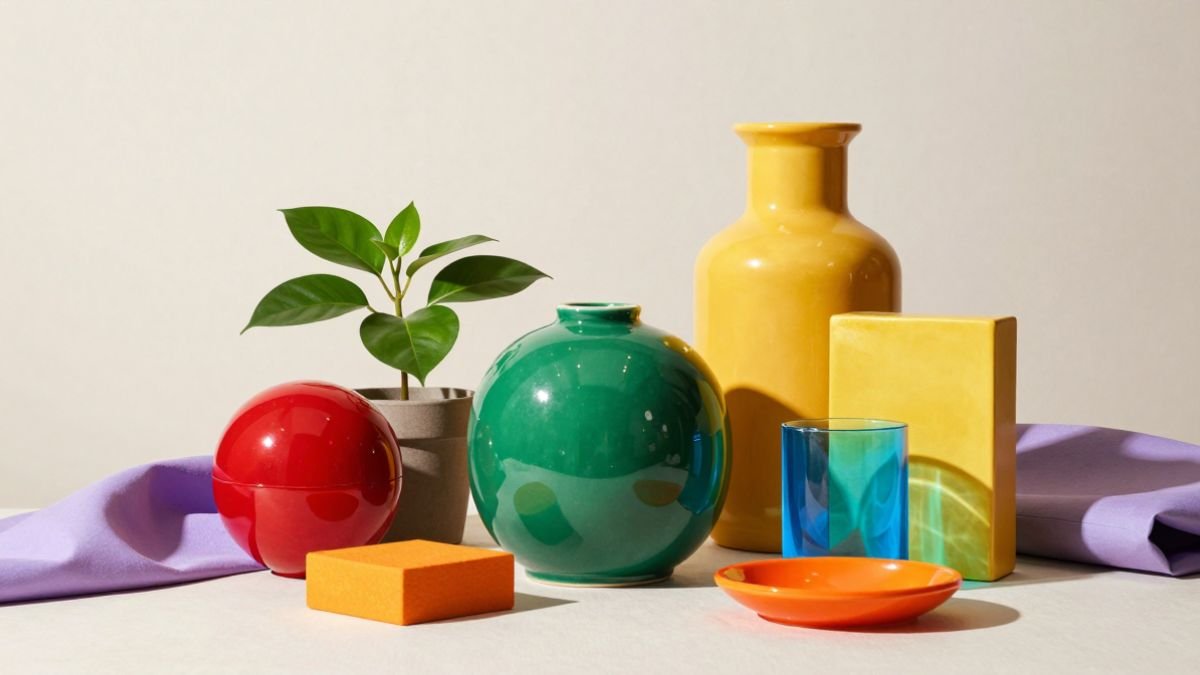
You’ve probably scrolled past a dozen posts about lucky colors for 2026, bookmarked a few Pinterest boards, and maybe even Googled whether emerald green or burnt orange will bring you better luck. But here’s the thing nobody’s saying: picking a color won’t change your year. How you use it might.
The internet loves a good color prophecy. Every December, astrologers, feng shui experts, and Pantone trend forecasters announce the shades that will supposedly attract wealth, love, or good vibes. Some of it’s rooted in ancient tradition. Most of it’s marketing. The real power isn’t in the color itself but in the intentional ritual you build around it. When you choose a color with purpose and weave it into your daily life, you’re not summoning magic. You’re creating a visual anchor that keeps your goals front and center.
What lucky color trends actually mean (and what they don’t)
Lucky color predictions pull from a mix of sources: Chinese zodiac cycles, astrological transits, color psychology research, and plain old trend forecasting. In Chinese tradition, each year corresponds to an element and animal sign, which suggests certain colors. For 2026, the Year of the Fire Horse, reds, oranges, and warm earth tones often top the list. Western astrology might highlight colors tied to the ruling planets or dominant signs of the year. Color psychology adds another layer, linking hues to emotional states and behaviors.
But here’s what these predictions don’t do: they don’t account for your personal circumstances, your existing environment, or your actual goals. A fiery red might energize one person and overwhelm another. A calming blue could soothe someone’s anxiety or make another feel stagnant. The “lucky” part only kicks in when the color resonates with what you’re trying to build in your life.

How to pick your personal lucky color for 2026
Skip the generic lists. Instead, start with a specific goal. Are you focused on career growth? Deepening relationships? Improving health? Better managing money? Each goal pairs naturally with certain color families based on psychological associations and cultural symbolism.
For career and ambition, consider deep blues (confidence, authority), forest greens (growth, stability), or charcoal grays (sophistication, focus). If love and connection are your priority, warm pinks (compassion, openness), soft peaches (warmth, approachability), or rich burgundies (passion, depth) work well. Health and vitality goals align with vibrant oranges (energy, enthusiasm), fresh greens (renewal, balance), or sunny yellows (optimism, clarity). Money and abundance often connect to jade greens (prosperity, luck), golds (wealth, success), or earthy browns (security, grounding).
Once you’ve identified your goal, look at your current environment. What colors already dominate your wardrobe, your home, your workspace? Choose a shade that complements rather than clashes. If your closet is full of neutrals, a jewel-tone accent will pop. If your home is already colorful, pick one shade to elevate intentionally.
Seven places to apply your lucky color without overhauling your life
You don’t need to repaint your bedroom or buy a new wardrobe. Small, strategic touches create the visual reminder without the chaos.
Start with your wallet or cardholder. You see it multiple times a day, especially when making financial decisions. A wallet in your chosen color becomes a subtle prompt tied to your goal. Your phone case works the same way. You touch your phone dozens of times daily. Make that interaction a micro-moment of intention.
Nail polish or a single piece of jewelry offers a personal, visible reminder. Every time you glance at your hands or catch your reflection, there’s your color. If you journal or use a planner, choose a notebook or pen in your shade. The act of writing your plans in that color reinforces the connection.
For wardrobe integration, go for one accent piece rather than a full outfit. A scarf, a pair of shoes, a belt, or a bag. You can rotate it through different looks without feeling like you’re wearing a costume. In your home, focus on the entryway. A doormat, a small vase, a candle, or a piece of wall art in your color sets the tone every time you leave or return. Finally, if you’re building a vision board or setting up a goal-tracking system, use your color as the background or border. It frames your aspirations literally.

Mistakes that turn a lucky color into a visual headache
The biggest error is overdoing it. If every surface in your home is suddenly the same shade, it stops being a meaningful anchor and starts feeling oppressive. Your brain tunes it out. Use your color as an accent, not a takeover.
Another trap is ignoring your existing palette. If you love cool, minimalist tones and suddenly introduce a screaming orange, the clash will create stress, not inspiration. Choose a version of your color that harmonizes with your baseline aesthetic. A muted terracotta instead of neon orange. A dusty rose instead of hot pink.
Don’t buy everything new. Fast fashion and impulse purchases contradict the intentional energy you’re trying to build. Work with what you have first. Swap out a pillowcase, reorganize your accessories, or repurpose something you already own. The ritual matters more than the price tag.
Finally, don’t treat the color like a magic spell. Wearing a green sweater won’t make money appear. But wearing it on the day you negotiate a raise or launch a side project? That’s a psychological boost. The color works when paired with action.
Your 30-day color ritual checklist
Commit to a month of intentional color use. This isn’t about superstition. It’s about training your attention.
Days 1-7: Choose your goal and color. Audit your current environment. Identify three small items you can introduce or swap (wallet, phone case, nail polish). Days 8-14: Wear or carry your color at least once daily. Notice when you see it. Pause for five seconds and reconnect with your goal. Days 15-21: Add your color to one area of your home (entryway, desk, or bedside table). Each time you see it, take one small action toward your goal, even if it’s just writing a note or sending an email. Days 22-28: Reflect on moments when the color reminded you to make a choice aligned with your intention. Did you pause before an impulse buy? Speak up in a meeting? Reach out to someone? Days 29-30: Decide whether to continue, adjust, or retire the ritual. If it’s working, keep it. If it feels stale, evolve it.
The point isn’t to follow this forever. It’s to build a habit of visual intention that outlasts the trend cycle.

Make the color work for you, not the algorithm
Lucky color trends will flood your feed every December. Some will be rooted in tradition, others in clickbait. The difference between a gimmick and a tool is how you use it. Choose a color that reflects a real goal, not a vague wish. Place it where you’ll see it during decision-making moments. Pair it with action, not passive hope. And when January 2027 rolls around with a new set of predictions, you’ll already know how to make any color work for you. The luck was never in the shade. It was in the practice.