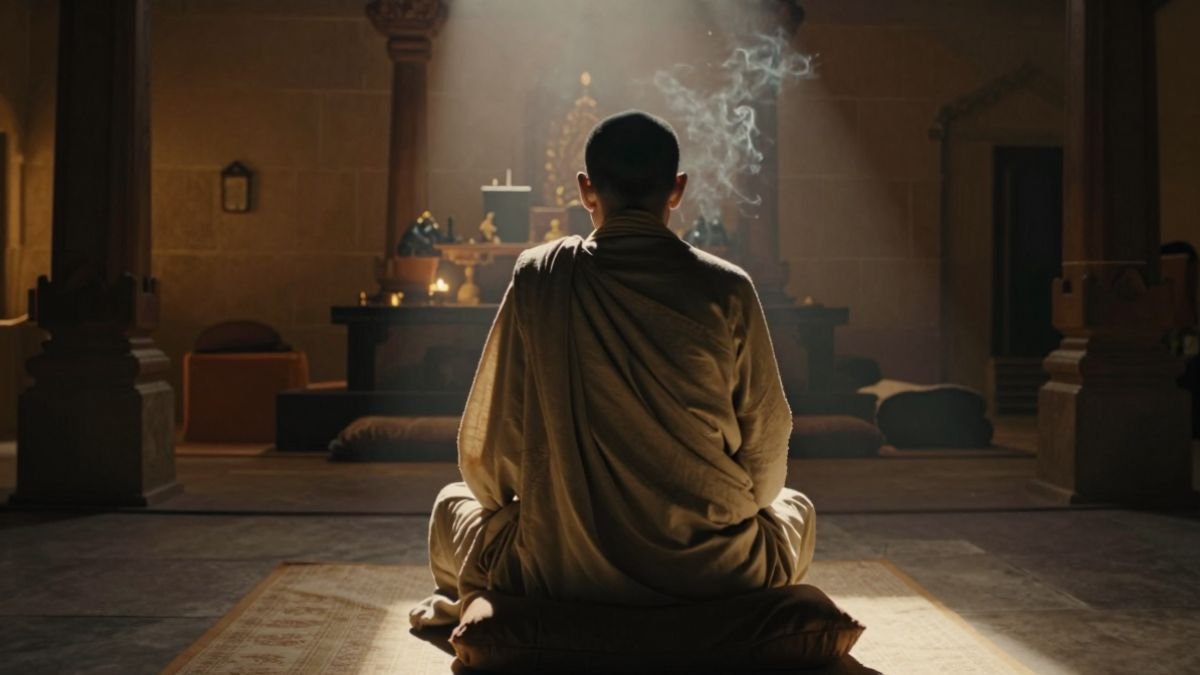
When the world feels like it’s spinning too fast, where do you turn? For thousands of seekers across decades, the answer has been the writings and teachings of Sri Chinmoy—a spiritual leader whose philosophy of inner peace and selfless service continues to resonate in our age of anxiety.
But who was this quiet figure from Bengal, and why does his name still surface during moments of collective stress?
The man behind the meditation
Sri Chinmoy (1931–2007) was born in Shakpura, Bangladesh, and spent two decades in an ashram before moving to New York City in 1964. There, he worked at the Indian Consulate while quietly building a global spiritual movement centered on meditation, peace concerts, and athletic feats meant to demonstrate the power of inner discipline.
Unlike many gurus of his era, Chinmoy emphasized practical spirituality—not renunciation, but engagement with the world through a lens of service. He famously led meditations at the United Nations for over three decades and composed thousands of devotional songs. His students ranged from artists to athletes, drawn to his message that self-transcendence was accessible to everyone, not just monks.

Core themes that still land today
Sri Chinmoy’s teachings orbit three interconnected ideas:
- Meditation as a daily reset. Not mystical escapism, but a tool to quiet mental noise and reconnect with purpose. He taught that even five minutes of focused silence could shift your entire day.
- Peace starts within. Before you can change the world, you must cultivate inner calm. This wasn’t passive—it was preparation for meaningful action.
- Service as spiritual practice. Volunteering, creative work, acts of kindness: these weren’t distractions from spirituality. They were the path.
In an era where burnout is a badge of honor and doom-scrolling is a reflex, these principles feel almost radically sane.
Three practices inspired by his approach (no membership required)
You don’t need to join a meditation group to benefit from Chinmoy’s philosophy. Here are three accessible starting points:
1. The “heart-breath” technique: Sit comfortably. Close your eyes. Visualize breathing in and out through your heart center (chest area). Focus on gratitude or a feeling of warmth. Start with two minutes. This simple practice is designed to shift from mental chatter to emotional stillness.
2. Creative offering: Chinmoy believed that art, music, and movement could be forms of prayer. Set aside time each week to create something—a sketch, a song, a poem—not for an audience, but as an offering to the process itself. Let go of the outcome.
3. Micro-service moments: Once a day, do something small for someone else without expectation. Hold a door. Leave an encouraging note. Pay for a stranger’s coffee. Chinmoy taught that these “small” acts rewire the ego and cultivate selflessness.

The controversies you should know about
No spiritual teacher exists in a vacuum, and Sri Chinmoy’s legacy includes legitimate criticisms. Former students have described authoritarian group dynamics, pressure to conform, and boundaries that felt uncomfortably rigid. Some have accused the organization of cultish behavior.
These accounts deserve serious consideration. If you’re exploring his teachings, approach with discernment. Take what resonates, leave what doesn’t, and avoid any group that demands total obedience or isolation from loved ones. Authentic spirituality invites questions, not silence.
How to explore responsibly
If you’re curious:
- Start with his books: Meditation: Man-Perfection in God-Satisfaction is a straightforward intro. Many of his writings are available free online.
- Try meditation basics: Use his techniques as a framework, but supplement with modern mindfulness resources (Insight Timer, Headspace) to avoid dogma.
- Stay grounded: Spirituality should enhance your life, not replace critical thinking. If something feels off, trust that instinct.

The takeaway: Calm isn’t denial
Sri Chinmoy’s enduring appeal lies in this paradox: he taught radical peace in a world that refuses to sit still. That doesn’t mean ignoring injustice or pretending everything is fine. It means building an internal foundation strong enough to face chaos without collapsing.
In stressful times, his message is simple: You can’t pour from an empty cup. Fill yours first. Then decide what to do with the overflow.
Whether you adopt his practices or simply borrow the philosophy, the question remains: What would change if you treated your inner life with the same urgency you give your to-do list?