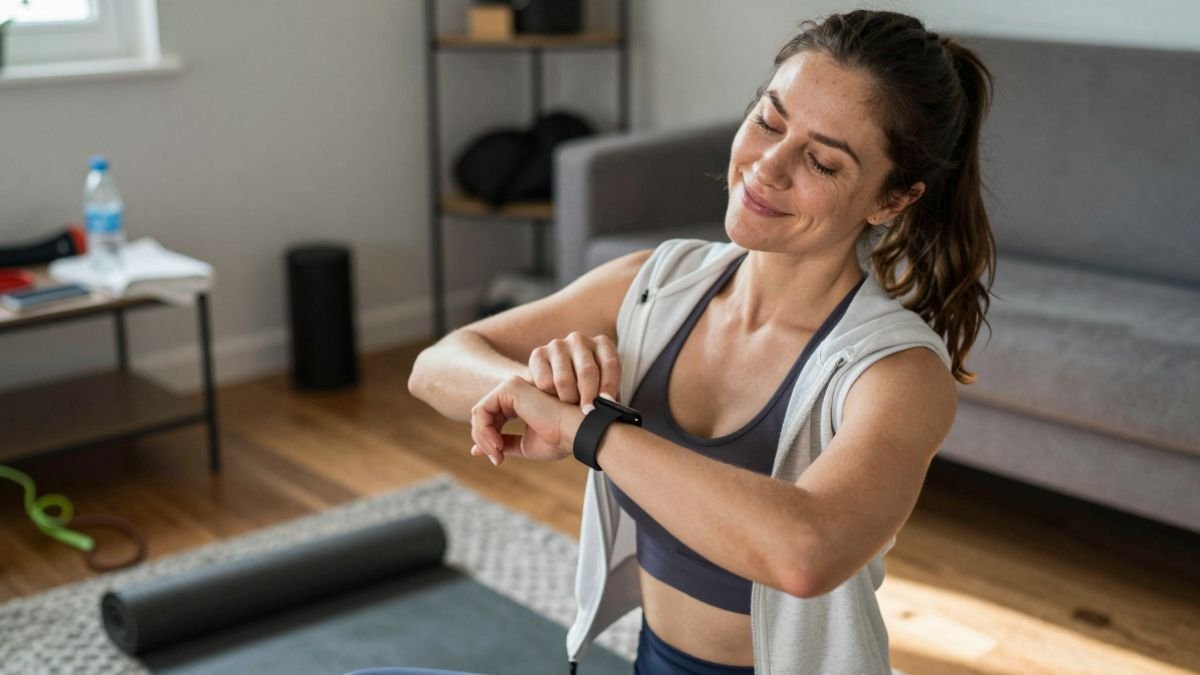
The fastest-growing workouts aren’t chasing abs or step counts. They’re chasing a feeling.
As burnout rises and attention spans shrink, people are quietly redesigning exercise around one question: How do I want to feel when I’m done? Welcome to the era of mood workouts—short, flexible routines built to shift anxiety, energy, focus, or calm on demand.
This isn’t a fad pulled from social media. It’s a practical response to modern stress, backed by neuroscience and embraced by beginners, athletes, and seniors alike.
What exactly is a mood workout?
A mood workout flips the traditional fitness script. Instead of committing to a rigid program, you choose movement based on your emotional state—then stop once the mood shifts.
Think of it as emotional regulation through motion.
Common mood targets include:
- Calm: lower stress, slow racing thoughts
- Lift: boost low mood or motivation
- Focus: sharpen attention before work
- Release: discharge anger or tension
- Energize: beat afternoon fatigue
Sessions are usually 10–20 minutes, low-pressure, and adaptable to any body.

Why this trend is breaking out now
Three forces are colliding:
- Mental health awareness went mainstream.
People no longer see exercise as separate from emotional wellbeing. - Science caught up with intuition.
Research consistently shows that even brief movement can:- Increase dopamine and serotonin
- Reduce cortisol (stress hormone)
- Improve sleep and emotional resilience
- Time scarcity is real.
When life feels overwhelming, a 60-minute workout becomes a barrier. A 12-minute mood reset does not.
The result? Exercise that feels doable—and therefore, sustainable.
The science-backed benefits you actually feel
Mood workouts work because they meet the nervous system where it is, not where a program says it should be.
People report:
- Faster stress relief than long, intense sessions
- Better consistency, especially during hard weeks
- Improved emotional awareness (“I know what I need today”)
- Less guilt around missed workouts
That last point matters. Removing guilt keeps people moving long-term.

How to start a mood workout routine (beginner-friendly)
You don’t need special gear or apps. Start with this simple framework:
Step 1: Name the mood
Before you move, ask:
- What am I feeling right now?
- What do I want to feel after?
Choose one word (calm, lift, focus).
Step 2: Match movement to mood
Use this cheat sheet:
- Calm: slow walking, stretching, yoga, breath-led mobility
- Lift: light cardio, dance, bodyweight circuits
- Focus: brisk walking, resistance bands, steady cycling
- Release: boxing-style moves, fast stair climbs, shaking
- Energize: short bursts of jumping, marching, tempo changes
Step 3: Set a small time cap
Start with 10 minutes. Stop early if the mood shifts sooner.
Consistency beats intensity.
Senior-safe and low-impact options
Mood workouts are especially powerful later in life because they emphasize how you feel, not how hard you push.
Safe options include:
- Chair-based mobility flows
- Water aerobics
- Gentle resistance training
- Balance-focused walking routines
If pain or medical conditions are present, keep movements slow and controlled—and prioritize calm or focus moods.

How to track progress without obsessing
Skip calorie counts. Track mood before and after.
A simple scale works:
- Before: 4/10 (anxious)
- After: 7/10 (steady)
Over time, patterns emerge. You’ll learn which movements reliably shift your mood—and which ones don’t.
That self-knowledge is the real win.
Common pitfalls to avoid
Mood workouts are flexible, but not careless.
Watch out for:
- Using intensity to numb emotions instead of processing them
- Ignoring pain signals because the mood improved
- Chasing motivation instead of building routine
Movement supports mental health. It doesn’t replace professional care when needed.

The bottom line
Mood workouts are trending because they solve a modern problem: people want exercise that fits real life, real stress, and real bodies.
You don’t need more discipline.
You need movement that works with your nervous system—not against it.
Start small. Move with intention. Notice how you feel.
That’s the workout.