Most of us were taught that walking faster equals better weight loss. Pick up the pace, break a sweat, burn more calories. Simple, right?
But a growing body of research is nudging us to look at walking differently. Slower, more comfortable walking can still support fat loss, especially for people who struggle to keep up with brisk routines long term.
If weight loss has felt exhausting or hard to maintain, this gentler approach may be worth reconsidering.
How walking pace influences fuel use
Here’s the key idea: your body uses different fuels at different intensities.
At a relaxed walking pace, your heart rate stays lower. In this zone, the body relies more on fat as a fuel source, rather than carbohydrates. Some studies suggest fat oxidation may be higher at lower intensities, particularly when the effort feels sustainable and conversational.
In practical terms, that often means:
- You can talk in full sentences
- Breathing feels steady, not strained
- The walk feels easy enough to repeat tomorrow
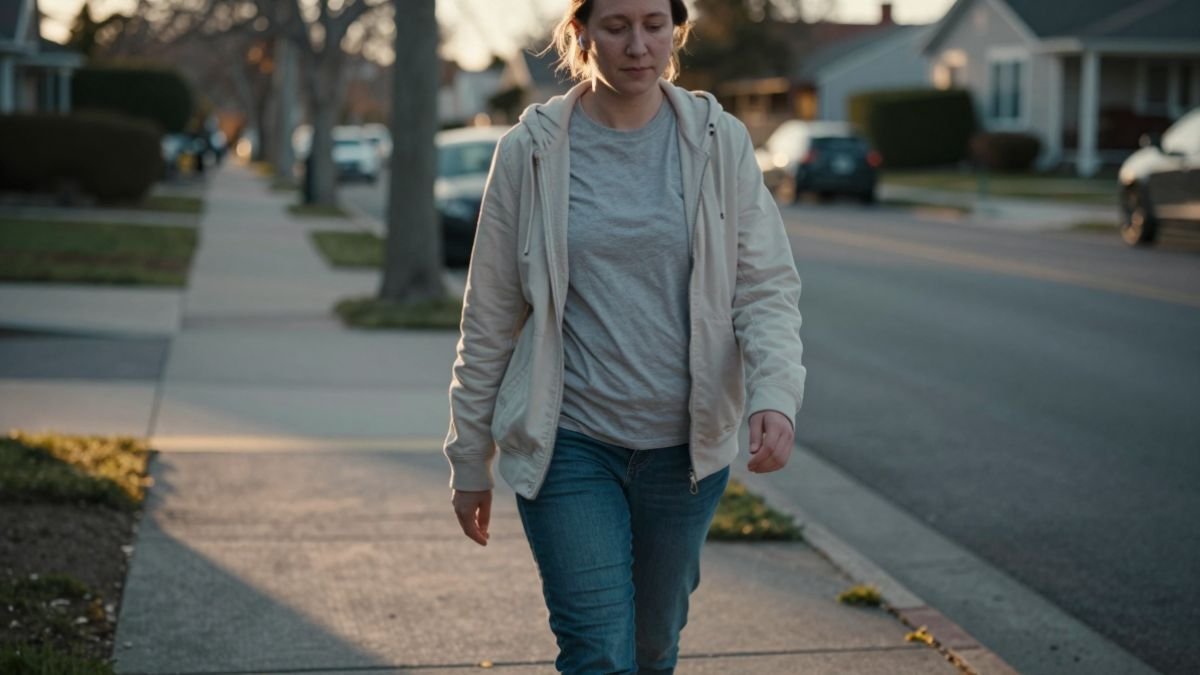
This pace tends to be closer to an easy stroll than a power walk—and that’s okay.

Why faster walking isn’t always better for fat loss
Fast walking does burn more calories per minute. But fat loss isn’t determined by one workout. It’s shaped by what you can do consistently over time.
At higher intensities:
- The body shifts toward carbohydrates for fuel
- Fat contributes a smaller share of energy during the activity
- Fatigue and soreness can increase
For beginners, people with joint concerns, or anyone returning to movement after a break, brisk walking can also:
- Increase stress on knees and ankles
- Feel mentally draining
- Lead to skipped days or burnout
When exercise feels punishing, it’s harder to stick with it—and consistency matters more than speed.
The real advantage of slower walking: consistency
This is where slow walking shines.
Because it’s easier on the body and the mind, slower walking:
- Encourages daily movement
- Allows longer or more frequent walks
- Reduces recovery time
Research suggests that 7,000–8,000 steps per day can meaningfully support health and weight management for many adults. That target becomes far more realistic when those steps come from relaxed, repeatable walks instead of forced intensity.
While slower walking uses more fat as fuel during the activity, total fat loss still depends on overall calorie balance and consistency. Walking works best when it fits naturally into daily life.

Simple walking habits that support long-term results
You don’t need special equipment or strict rules. Focus on habits you can maintain:
- Walk at a pace where breathing stays calm
- Accumulate 30–60 minutes most days, even in short sessions
- Walk after meals when possible
- Choose routes that feel peaceful, not rushed
Everyday movement counts—walking the dog, pacing during phone calls, or taking evening strolls. The body responds to total movement over time, not perfection.
Benefits beyond fat loss
Walking isn’t just about weight. It supports overall health in quiet but powerful ways.
Regular walking can:
- Improve cardiovascular health
- Lower stress hormones like cortisol
- Boost mood through gentle endorphin release
Slow walking, especially outdoors, often feels restorative rather than demanding. That mental relief is part of why it’s easier to maintain—and why it supports long-term lifestyle change.

The takeaway
If fast walking feels overwhelming or unsustainable, slowing down isn’t failure—it’s strategy.
Fat loss favors habits you can keep, not intensity you can only tolerate for a few weeks. A calmer pace may help you move more often, recover better, and stay consistent enough to see real change.
Sometimes, the most effective step forward is the one you’re happy to repeat tomorrow.
This article is for general information only and does not replace medical advice. If you have health conditions, joint issues, or are starting a new exercise routine, consider consulting a healthcare professional before making changes.